
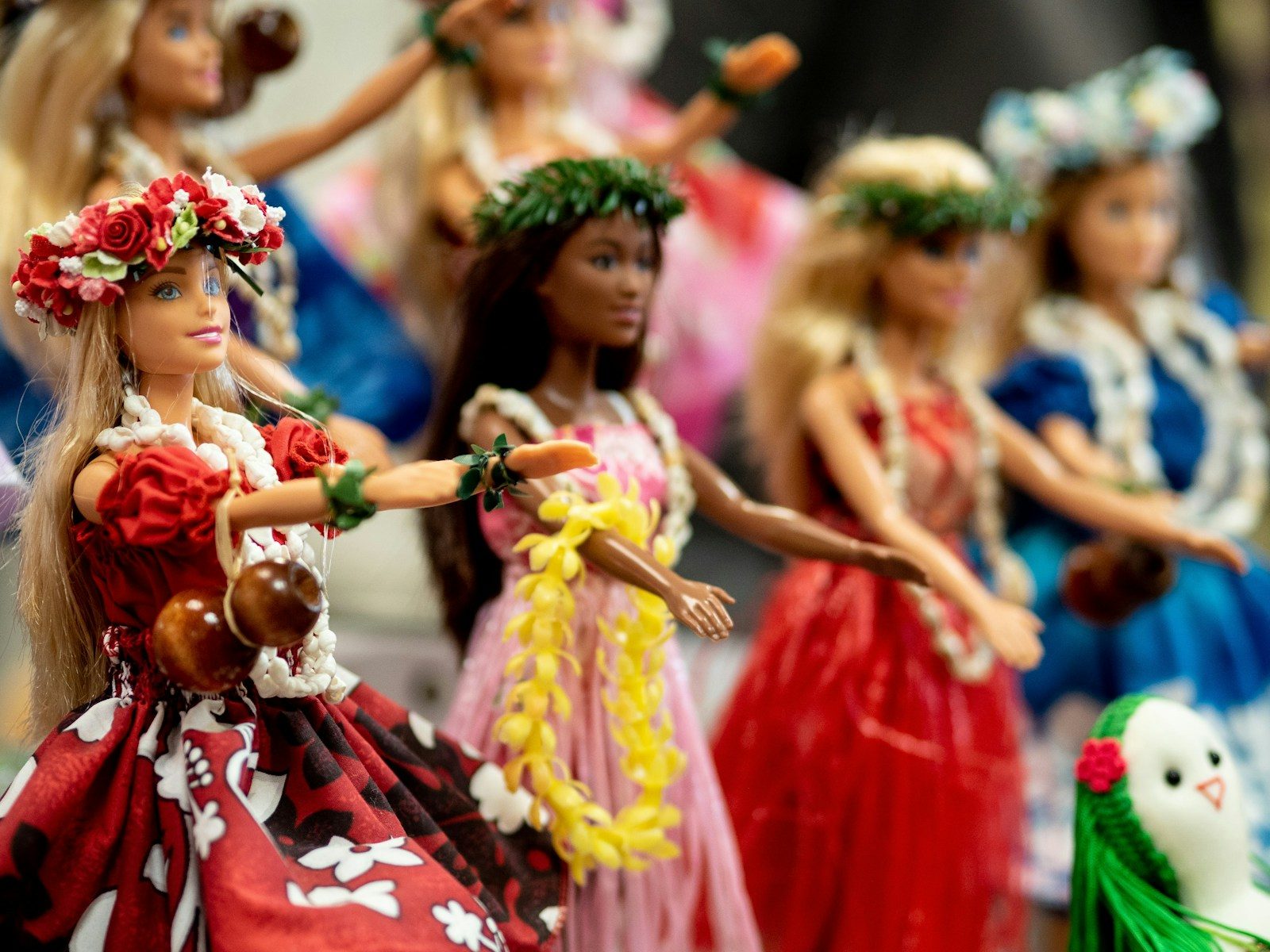
If you’ve ever seen someone call any Polynesian dance “Hawaiian dance,” know this: it’s extremely common — and at the same time, one of the biggest cultural misunderstandings about the Pacific.
The confusion between Hula and Ori Tahiti happens all over the world, including in Brazil. But understanding the difference not only honors each culture, it completely transforms the way you see the dance.
The origin of the confusion
The main reason is simple: lack of cultural reference.
For decades, what the world has mostly seen about Polynesia came from Hawaii — mainly due to tourism and the entertainment industry, such as films, shows, and themed hotels. The classic image of the “grass skirt dancer” ended up being generalized.
As a result, everything became “Hawaiian dance.”
But Polynesia is vast — and each island has its own identity, history, and form of expression.
Hula: tradition, storytelling, and spirituality
Hula is the traditional dance of Hawaii and has a strong connection to spirituality and storytelling.
Each hand movement tells a story: about nature, gods, love, wind, the sea. It is a dance that can be gentle, fluid, and deeply symbolic.
There are different styles, such as:
- Hula Kahiko (more traditional)
- Hula ‘Auana (more modern)
In Hula, the entire body communicates — but the focus is on interpretation and the meaning of gestures.
Ori Tahiti: energy, rhythm, and power
Ori Tahiti, from Tahiti (French Polynesia), is an explosion of energy.
Here, the highlight is the speed of the hips, physical strength, endurance, and direct connection to percussion.
The movements are intense, fast, and extremely technical. Each drumbeat guides the body with precision.
Some styles include:
- Ote’a (fast and percussive)
- Aparima (more interpretative, but still strongly rhythm-based)
Unlike Hula, Ori Tahiti impresses through visual impact and physical power.
Where people get confused
The confusion happens because, to those unfamiliar, there are shared elements:
- Both come from Polynesia
- Use of traditional skirts
- References to nature
- Music with traditional instruments
- Strong female presence (although both also include men)
But that would be like saying samba and flamenco are the same just because they involve dance and rhythm.
The difference that changes everything
The main difference lies in the intention of the dance:
- Hula tells stories with softness and symbolism
- Ori Tahiti expresses rhythm, strength, and physical intensity
One is like poetry in motion.
The other is like a beat that moves through the body.
Why this matters
Confusing the two is not just a technical mistake — it means overlooking entire cultures.
Each dance carries:
- History
- Identity
- Tradition
- Meaning
When you learn to differentiate them, you begin to truly respect and value each one for what it is.
An invitation
If you’ve made it this far, you’ve already taken the first step.
The next one is to experience it.
Ori Tahiti, for example, has been growing in Brazil and captivates precisely because it is intense, challenging, and deeply engaging. It is a dance that transforms both body and mind — and goes far beyond what most people imagine.
Before calling everything “Hawaiian dance,” it’s worth truly getting to know it.
You might be surprised.