
The Role of Community in Ori Tahiti
In Polynesian culture, dance is not only an artistic practice but also a social and communal activity. Ori Tahiti brings [...]
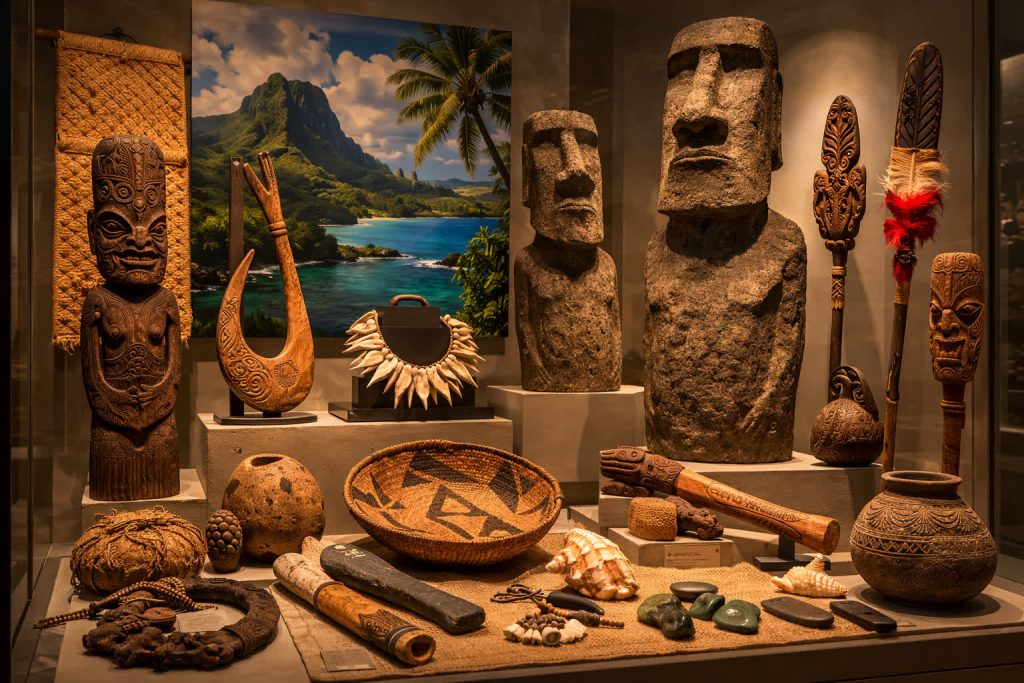
In Polynesian culture, dance is not only an artistic practice but also a social and communal activity. Ori Tahiti brings people together, strengthening relationships between families, communities, and cultural groups.
Dance groups often function as extended families. Members rehearse together, prepare performances collectively, and share the responsibility of preserving cultural traditions. Learning Ori Tahiti is therefore not only about mastering technique but also about understanding cultural values and respect for tradition.
Elders and experienced dancers play an important role in teaching younger generations. They transmit not only choreography but also the stories, meanings, and cultural knowledge connected to the dance.
This sense of community is one of the reasons Ori Tahiti remains vibrant today. Whether performed in local celebrations, cultural festivals, or international events, the dance continues to unite people through a shared appreciation of Polynesian heritage.

Costumes and Symbols in Ori Tahiti
Traditional costumes are an essential part of Ori Tahiti and reflect the deep connection between Polynesian culture and nature. Costumes [...]
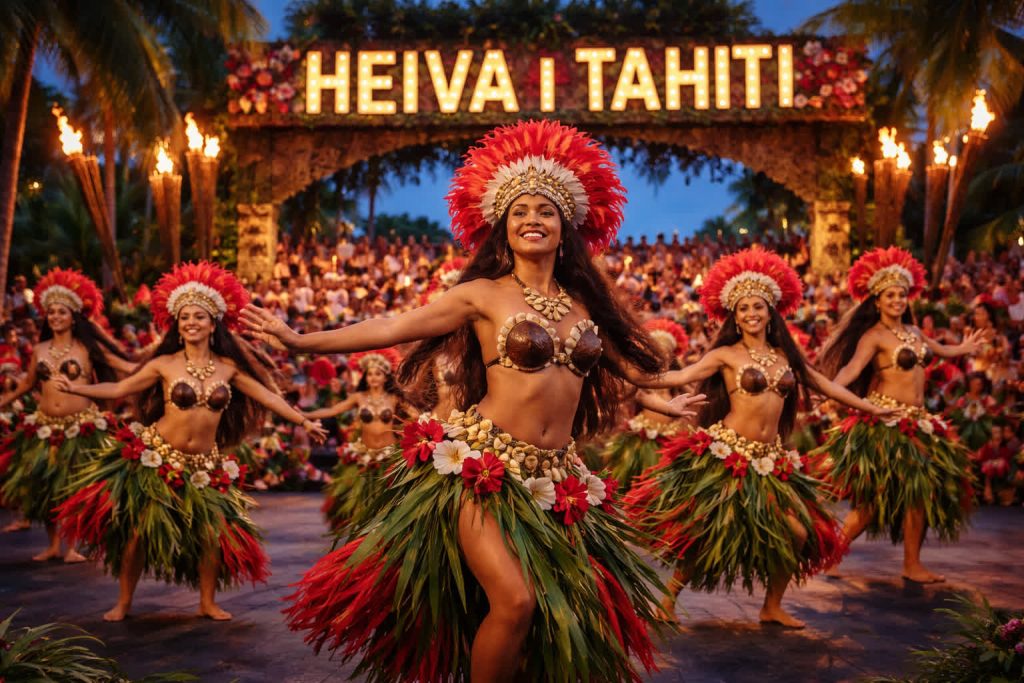
Traditional costumes are an essential part of Ori Tahiti and reflect the deep connection between Polynesian culture and nature.
Costumes are often made with natural materials such as fibers, shells, leaves, feathers, and seeds. These elements are carefully selected and arranged to create vibrant and expressive outfits that enhance the movement of the dance.
The hip skirt, known as the “more,” is particularly important. Its movement emphasizes the rhythm of the dancer’s hips, making the choreography visually dynamic. Headdresses and decorative elements symbolize status, character, or the theme of the performance.
Colors and materials also carry symbolic meanings. They can represent elements of nature such as the ocean, forests, or sunlight, reinforcing the strong bond between Polynesian culture and the environment.
Through these costumes, dancers transform their performances into powerful visual storytelling, combining movement, symbolism, and tradition.

Heiva i Tahiti: A Celebration of Polynesian Identity
Every year, one of the most important cultural events in Tahiti brings together dancers, musicians, and communities to celebrate their [...]
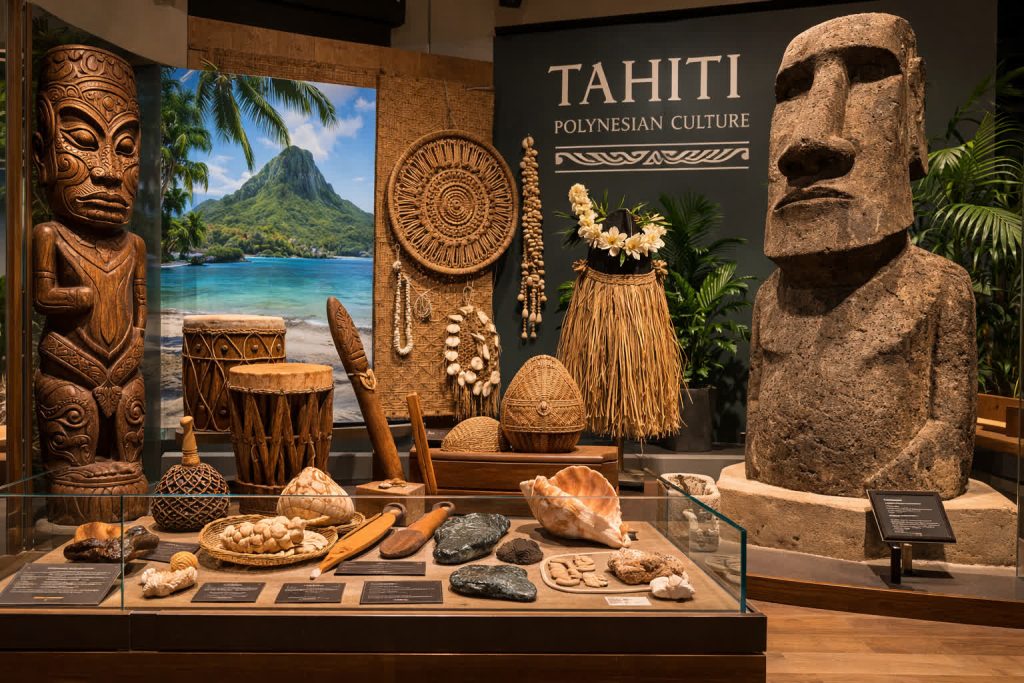
Every year, one of the most important cultural events in Tahiti brings together dancers, musicians, and communities to celebrate their traditions: the Heiva i Tahiti.
Heiva i Tahiti is much more than a dance competition. It is a major cultural celebration that highlights the richness of Polynesian traditions. Dance groups spend months preparing choreographies that combine traditional movements, storytelling, music, and elaborate costumes made with natural materials.
Each performance often tells a story connected to Polynesian mythology, historical events, or the relationship between people and nature. Through these performances, dancers honor their ancestors and keep ancient narratives alive.
The festival also includes traditional sports, crafts, music performances, and cultural exhibitions. For both locals and visitors, Heiva i Tahiti represents a unique opportunity to experience the living culture of Polynesia.
For dancers of Ori Tahiti around the world, Heiva is considered the highest stage of cultural expression and artistic excellence.

The Cultural Meaning of Ori Tahiti
Ori Tahiti is more than a dance. In French Polynesia, it represents a living expression of identity, history, and community. [...]
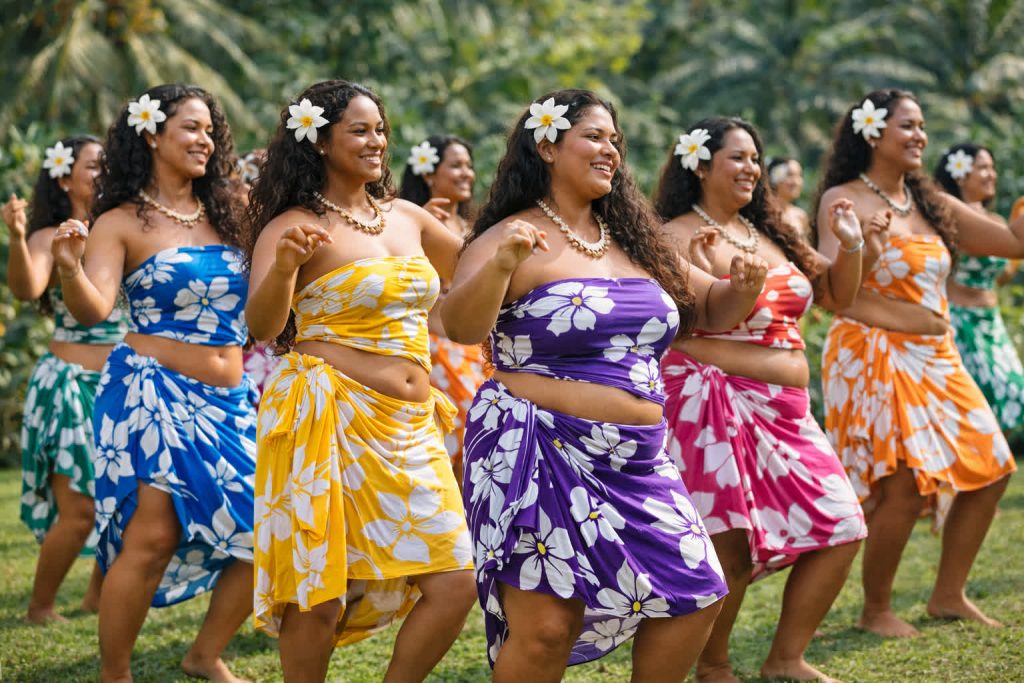
Ori Tahiti is more than a dance. In French Polynesia, it represents a living expression of identity, history, and community. For generations, dance has been one of the most important ways Polynesian people preserve their traditions and transmit knowledge from one generation to the next.
Historically, dance in Tahitian culture served as a form of storytelling. Before written language became common, movement, rhythm, and chants were used to tell stories about ancestors, nature, legends, and important events. Through precise hip movements, gestures of the hands, and coordinated steps, dancers communicate narratives that are deeply rooted in the Polynesian worldview.
Music plays a central role in Ori Tahiti culture. Traditional percussion instruments guide the rhythm and energy of the dance. The drums set the pace, while chants and songs add emotional and cultural depth. The combination of rhythm and movement creates a powerful artistic expression that reflects the spirit of the islands.
Today, Ori Tahiti continues to evolve while remaining strongly connected to its cultural roots. Schools, cultural groups, and festivals keep the tradition alive, ensuring that the dance remains an essential part of Polynesian heritage.

What is Ori Tahiti
Ori Tahiti is a traditional dance from French Polynesia, particularly associated with the Island of Tahiti. This dance has deep [...]
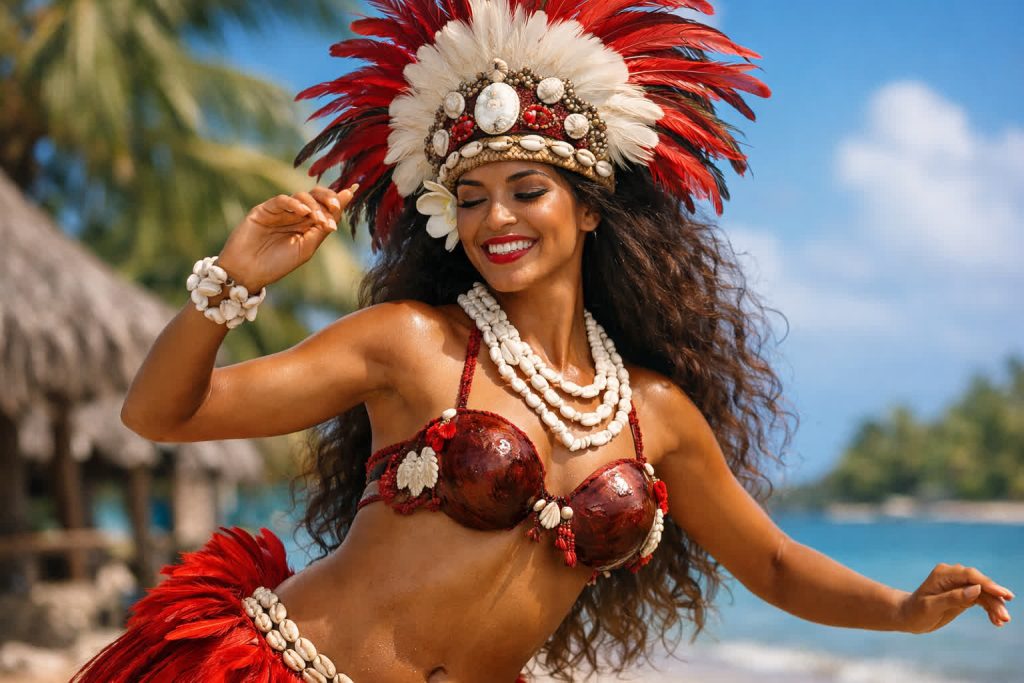
Ori Tahiti is a traditional dance from French Polynesia, particularly associated with the Island of Tahiti. This dance has deep roots in Polynesian culture, being a vibrant expression full of spiritual, cultural, and social meaning. Ori Tahiti is a full-body dance where the movement of the hips and arms conveys a series of stories, feelings, and connections with nature and the elements.
Originally, Ori Tahiti was used to celebrate and honor the gods, as well as to tell stories and myths passed down through generations. Each movement has a purpose, whether it represents the elements of nature, such as the wind and the sea, or expresses emotions and important messages for the community.
The dance involves fast-paced, rhythmic movements, performed with the help of traditional drums and other instruments, creating synergy between the dancer and the music. Traditional attire includes grass skirts and flower adornments, symbolizing a connection to the earth and the natural elements.
Over time, Ori Tahiti gained global popularity and has been adopted by various cultures around the world, including Brazil. Today, the practice of this dance is not just a form of entertainment but also a way to strengthen cultural identity and empower women, who express themselves through the movement and contagious energy of this art form.

Welcome to the Global Ori Tahiti Community
Welcome to the Global Ori Tahiti Community! Ori Tahiti is more than just a dance—it’s a living heritage, a symbol [...]
Welcome to the Global Ori Tahiti Community!
Ori Tahiti is more than just a dance—it’s a living heritage, a symbol of resilience, and a profound expression of Polynesian culture. Our Global Ori Tahiti Community was created to connect dance lovers from around the world, fostering a space for learning, sharing, and preserving the history and traditions of Tahitian dance.
Here, we celebrate authentic Ori Tahiti, promoting cultural diffusion, historical curation, and deep respect for the roots of this ancestral art. Whether you’re a dancer, teacher, researcher, or admirer, this is your place to immerse yourself in the culture, exchange experiences, and strengthen a tradition that has stood the test of time.
Join us on this journey of connection and preservation! #OriTahiti #PolynesianCulture #LivingHeritage