
Teacher Mariana Rocha
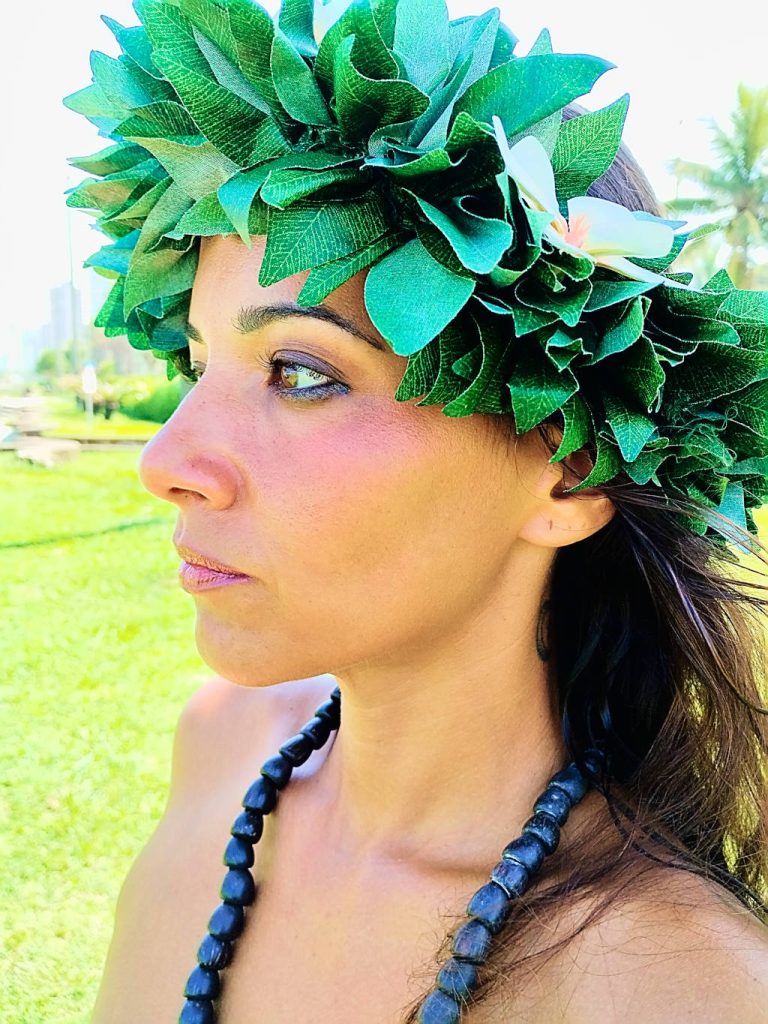
Mariana Rocha is a Brazilian ‘Ori Tahiti dancer and instructor dedicated to sharing Tahitian dance and Polynesian culture with students [...]
Mariana Rocha is a Brazilian ‘Ori Tahiti dancer and instructor dedicated to sharing Tahitian dance and Polynesian culture with students across Brazil. Since beginning her journey in ‘Ori Tahiti in 2019, she has focused not only on learning the technical aspects of the dance but also on understanding the cultural traditions and history that give meaning to each movement.
Based in the coastal city of Praia Grande, São Paulo, Mariana teaches both in-person and online classes, helping students from different regions of Brazil discover and experience the expressive energy of Tahitian dance. Her teaching approach combines technique, musicality, and cultural awareness, encouraging dancers to connect with rhythm, body awareness, and the spirit of Polynesian performance.
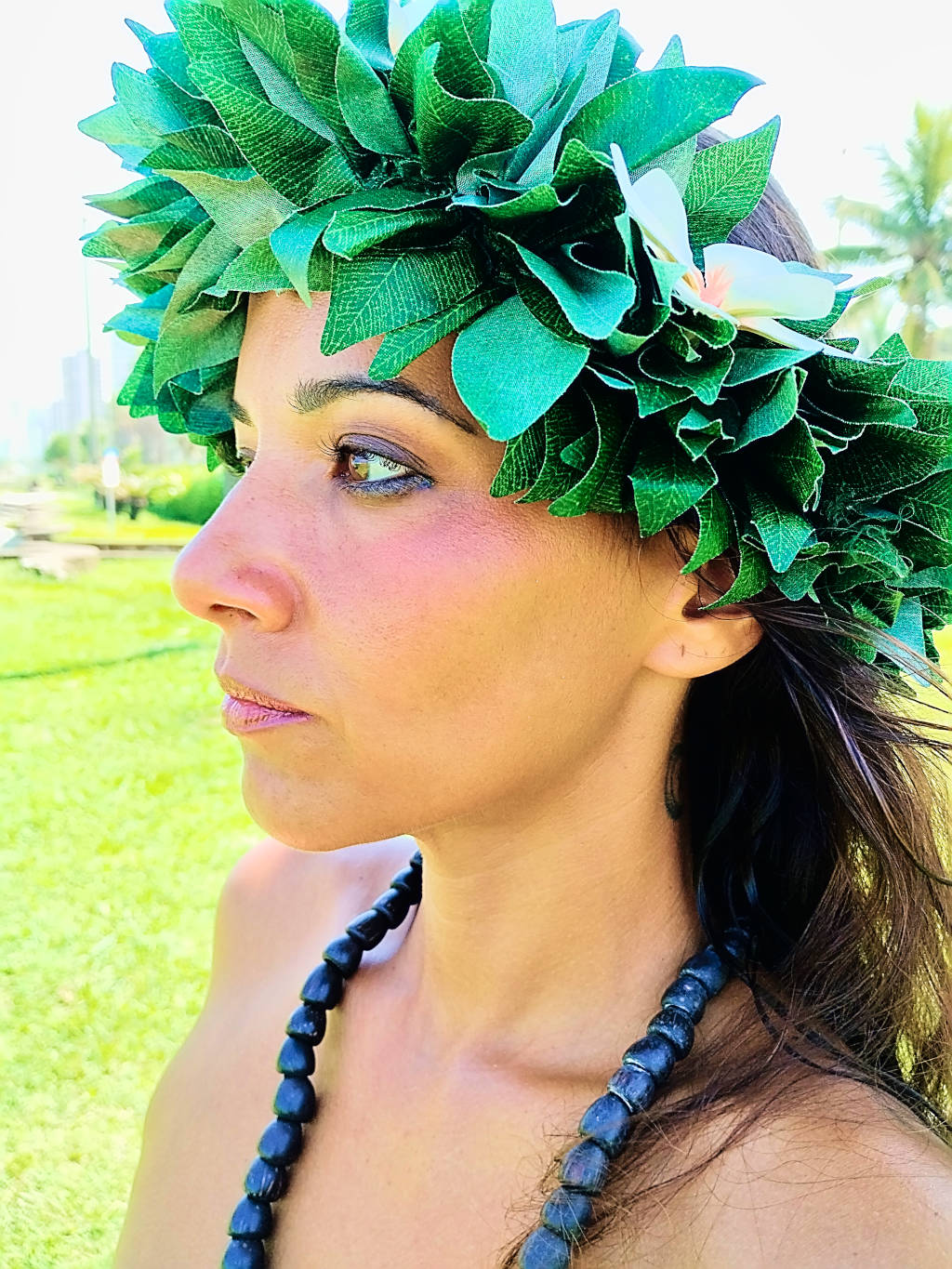
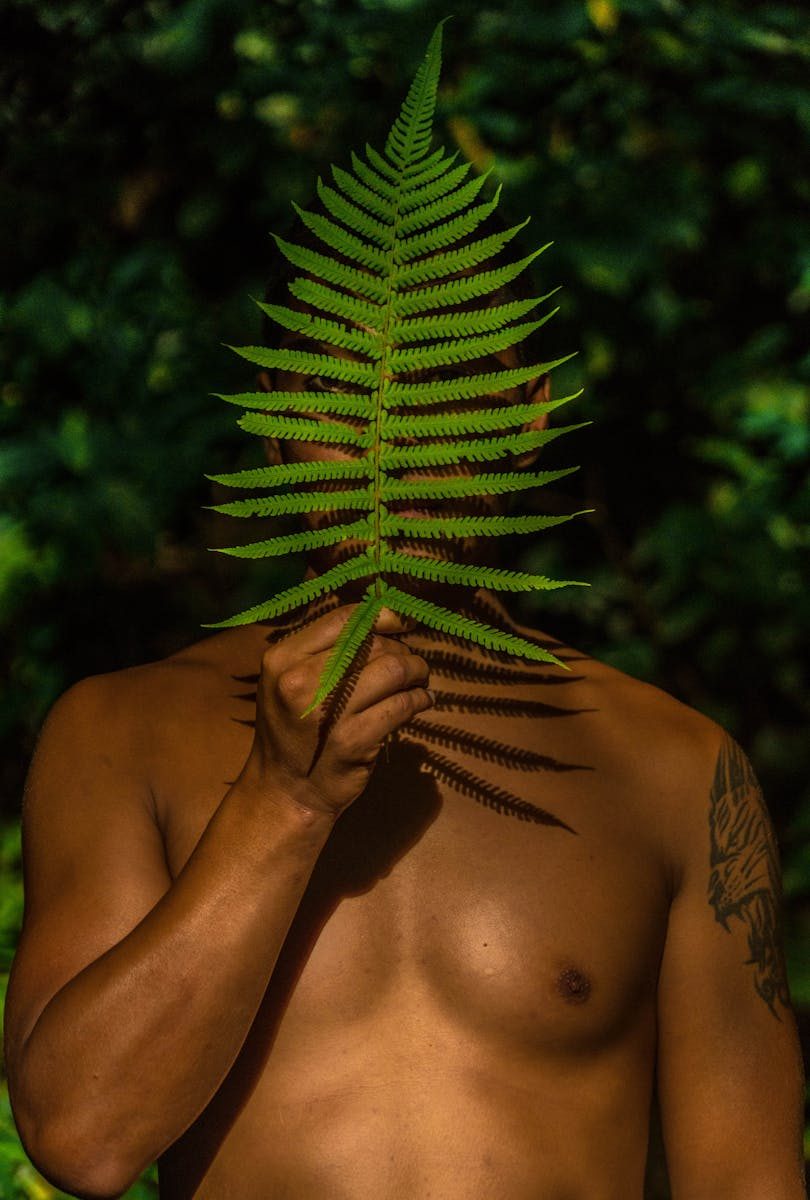
Alongside her work as a performer and instructor, Mariana continues to deepen her knowledge of movement and performance. She studies Polynesian culture with international teachers and pursues academic training in physical education to better understand biomechanics and dance training methods. This combination of cultural respect and technical study shapes her approach to teaching and choreography.
Through classes, workshops, and cultural events, Mariana Rocha has helped introduce many Brazilian students to the beauty and vitality of ‘Ori Tahiti, building bridges between Polynesian traditions and the growing dance community in Brazil.
Her work reflects a broader movement of dancers around the world who are helping bring Tahitian dance beyond the islands of French Polynesia while maintaining respect for its cultural roots and traditions.
Leslie Espinosa Bustos
Leslie Espinosa Bustos is an international ‘Ori Tahiti dancer, instructor, and cultural promoter known for helping expand Tahitian dance throughout [...]
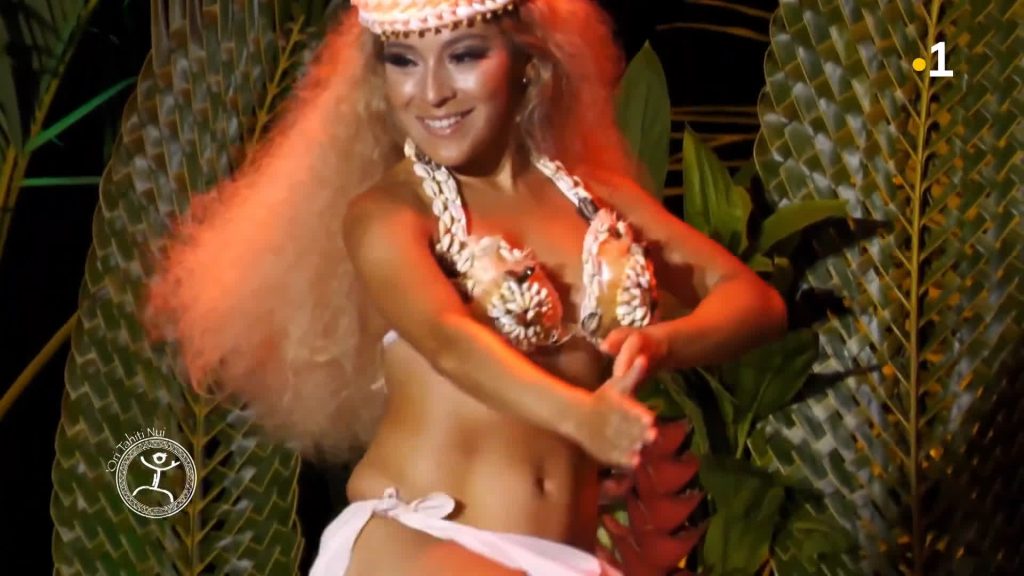
Leslie Espinosa Bustos is an international ‘Ori Tahiti dancer, instructor, and cultural promoter known for helping expand Tahitian dance throughout Latin America. Through her performances, workshops, and teaching activities, she has contributed to the growing global community of dancers dedicated to Polynesian culture.
Leslie is the founder and director of the dance school and troupe Poehura, where she trains students in the techniques and traditions of Tahitian dance. Her work focuses on both the energetic ‘ote’a style, characterized by fast hip movements and drum rhythms, and aparima, the expressive storytelling form of ‘Ori Tahiti.
As an instructor, she has built a strong presence on digital platforms and within international dance communities, sharing choreography, training content, and educational material that helps new dancers discover and develop their skills in Polynesian dance.
Through her leadership at Poehura and her active participation in the global Ori Tahiti network, Leslie Espinosa Bustos represents a generation of dancers who are helping carry Tahitian dance beyond the islands of French Polynesia, inspiring students across different countries to connect with the rhythm, artistry, and cultural spirit of ‘Ori Tahiti.
Makau Foster
Makau Foster is widely regarded as one of the most influential figures in the history of ‘Ori Tahiti. Born on [...]
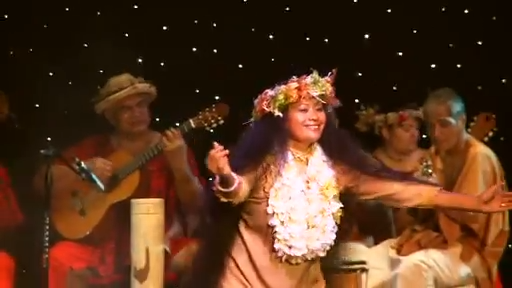
Makau Foster is widely regarded as one of the most influential figures in the history of ‘Ori Tahiti. Born on the atoll of Hao in the Tuamotu Islands, she began dancing at a very young age and developed a lifelong dedication to preserving and transmitting Tahitian cultural traditions through dance.
At the age of sixteen, she moved to Hawai‘i to continue her studies and performed at the Polynesian Cultural Center, using dance to support herself while studying. She later performed in the United States before returning to Tahiti, where she joined the renowned troupe Te Maeva under the guidance of legendary choreographer Coco Hotahota.
In 1988, Makau founded the Tamariki Poerani Dance Academy, which later became the professional troupe Tamariki Poerani. Under her leadership, the group earned numerous awards and became one of the most respected ensembles in Polynesian dance, performing in Tahiti and internationally.
Beyond the stage, Makau Foster has dedicated decades to teaching and cultural transmission. Many dancers and instructors around the world trace their training or inspiration back to her school, reflecting her profound influence on the global development of ‘Ori Tahiti.
In 2016, she organized an event that gathered 2,982 dancers performing ‘Ori Tahiti, setting a Guinness World Record for the largest Tahitian dance performance—a moment that symbolized both the vitality and global reach of the tradition she helped nurture.
Through her work as a performer, choreographer, and teacher, Makau Foster has become a true matriarch of Tahitian dance. Her legacy lives on through the dancers she trained and through the continued success of Tamariki Poerani, ensuring that the spirit of ‘Ori Tahiti continues to inspire new generations around the world.
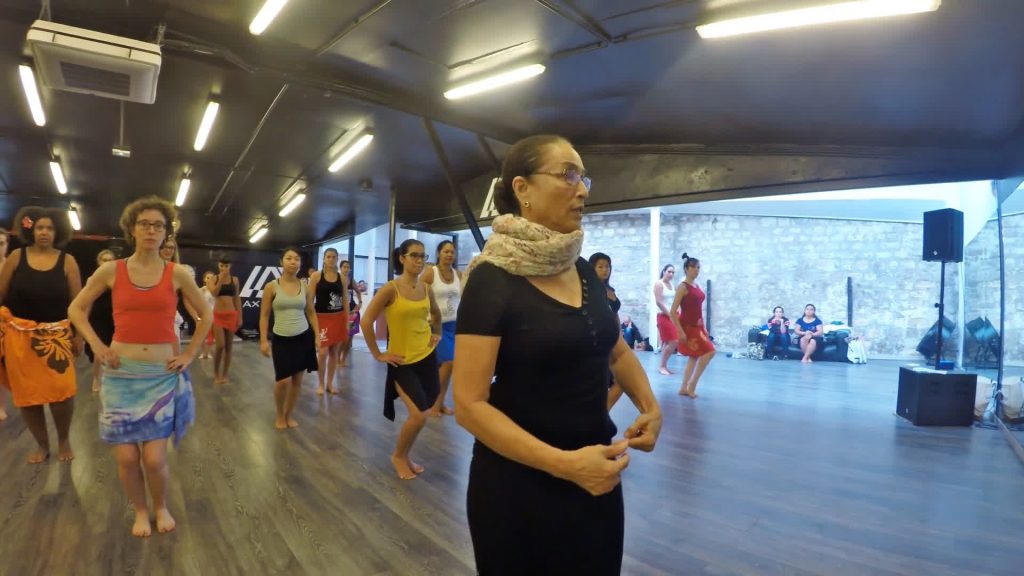
Tumata Robinson
Tumata Robinson is one of the most influential figures in contemporary ‘Ori Tahiti. Born in Tahiti and raised in a [...]
Tumata Robinson is one of the most influential figures in contemporary ‘Ori Tahiti. Born in Tahiti and raised in a family deeply connected to Polynesian culture, she began dancing at a young age and quickly developed a reputation for her expressive style and strong artistic vision.
During the 1980s and 1990s, Tumata Robinson became widely recognized through her performances with Te Maeva, one of the most important traditional dance groups in French Polynesia. Under the direction of the legendary choreographer Coco Hotahota, she refined her technique and gained experience performing in major cultural events, including the prestigious Heiva i Tahiti.
In 1998, Tumata founded the company Les Grands Ballets de Tahiti, which became one of the most recognized professional Polynesian dance ensembles in the world. Through this troupe, she developed large-scale choreographic productions that combine traditional Tahitian dance with theatrical storytelling, music, and stage design.
Her productions have toured internationally across Europe, Asia, and the Americas, helping introduce global audiences to the richness and sophistication of Polynesian dance traditions. Beyond performance, Tumata Robinson is widely respected for her dedication to preserving Tahitian culture while presenting it in innovative and artistic ways.
Through her work as a dancer, choreographer, and artistic director, Tumata Robinson has played a crucial role in bringing ‘Ori Tahiti to international stages, inspiring generations of dancers and strengthening the global appreciation of Polynesian culture.
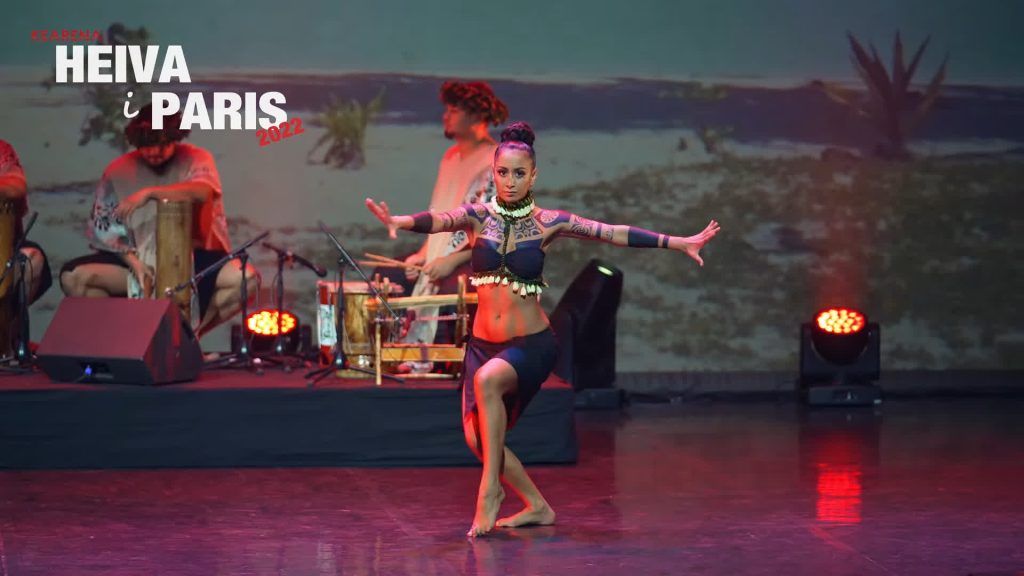
Tahia Cambet
Tahia Cambet is a renowned Tahitian dancer, choreographer, and teacher who has played an important role in spreading ‘Ori Tahiti [...]
Tahia Cambet is a renowned Tahitian dancer, choreographer, and teacher who has played an important role in spreading ‘Ori Tahiti internationally. Born in Tahiti and introduced to dance at the age of three, she developed her technique through years of training at the Artistic Conservatory of French Polynesia, where she later graduated with the Diploma of Traditional Studies and a gold medal in Tahitian dance.
After completing her studies, Tahia joined the prestigious Grands Ballets de Tahiti, gaining professional stage experience and refining her artistic style before moving to Europe. Based in Paris, she founded the dance school and troupe O Tahiti Nui, which has become one of the most recognized centers for Polynesian dance in France. Through performances, competitions, and workshops across Europe, she has helped introduce new audiences to the richness of Tahitian culture.
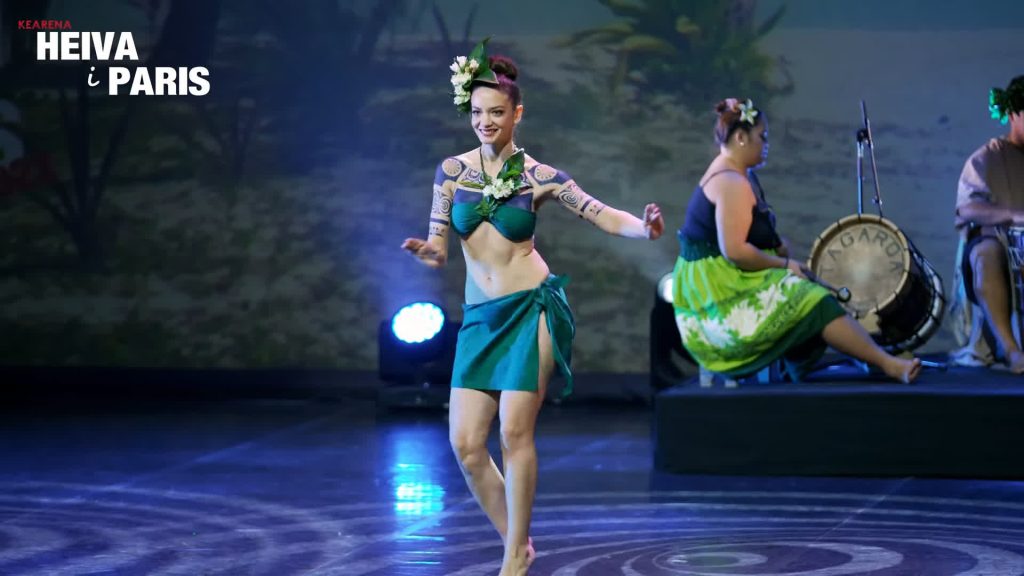
Tahia Cambet has also achieved notable success in international competitions. She won the title of Best Aparima Solo dancer at Heiva i Paris and earned several awards with her troupe, including top prizes in both group and solo categories. In global competitions held in Tahiti, she achieved vice-world champion titles in both ‘ote’a and aparima improvisation, demonstrating her versatility in the two major styles of ‘Ori Tahiti.
Beyond the stage, Tahia is widely respected for her dedication to teaching. Her school gathers hundreds of students from diverse backgrounds, and her approach emphasizes not only technique but also cultural understanding, confidence, and personal expression through dance. For Tahia Cambet, ‘Ori Tahiti is more than performance—it is a living cultural heritage meant to be shared across generations and across the world.
Through her work as a performer, choreographer, and instructor, Tahia Cambet represents a generation of artists helping bring the spirit of Polynesian dance to an international stage while remaining deeply connected to its traditions.
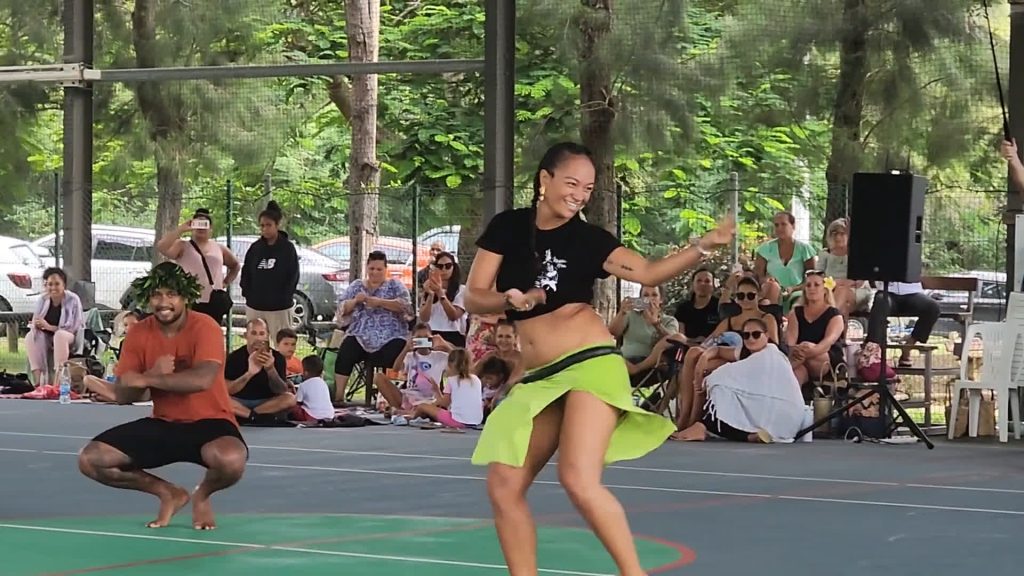
Matatine Mou
Matatini Mou is one of the most celebrated dancers of the new generation of ‘Ori Tahiti. Known for her powerful [...]
Matatini Mou is one of the most celebrated dancers of the new generation of ‘Ori Tahiti. Known for her powerful stage presence and refined technique, she gained international recognition after being crowned Best Female Dancer at the Heiva i Tahiti in 2019, a prestigious title that highlights the most outstanding performers of traditional Tahitian dance.
Dancing since childhood, Matatini developed her skills within the renowned Hitireva dance environment and trained under respected choreographer Kehaulani Changuy, one of the influential figures of contemporary ‘Ori Tahiti choreography.
Her talent quickly brought her recognition on international stages. Even as a teenager she won first place in a world-level ‘Ori Tahiti competition, impressing judges with both her ote’a and aparima performances—two of the most iconic styles of Tahitian dance.
Beyond performing, Matatini Mou is also dedicated to teaching and cultural transmission. She works as an instructor in Tahiti and abroad, sharing the spirit and techniques of ‘Ori Tahiti with students around the world, including collaborations with dance schools in Polynesia and the United States.
Through her performances, choreography, and workshops, Matatini Mou represents a new generation of artists who carry Polynesian traditions onto the global stage while remaining deeply connected to their cultural roots.
The Coconet
Pacific Island culture, videos and storytelling. Website: The Coconet What is The Coconet TV? The Coconet TV is a digital [...]
Pacific Island culture, videos and storytelling.
Website: The Coconet
What is The Coconet TV?
The Coconet TV is a digital platform dedicated to sharing Pacific Island stories, culture, and creativity with a global audience. It serves as a vibrant online hub where people from across the Pacific and its diaspora can connect, explore, and celebrate their heritage through video, articles, and community-driven content.
More than just a media platform, The Coconet TV operates as a virtual village for Pacific storytelling. It features a wide range of original content, including documentaries, music, dance, interviews, and cultural features that highlight the richness and diversity of Pacific Island life.
A key aspect of The Coconet TV is its community-focused approach. The platform encourages creators and viewers alike to contribute their own stories, videos, and perspectives, fostering a space where Pacific voices are shared, preserved, and amplified.
Founded as an online portal for Pacific moving image content, The Coconet TV was created to support storytelling for and by Pacific people, especially those living abroad, helping younger generations stay connected to their roots and cultural identity.
Today, The Coconet TV stands as one of the largest digital hubs for Pacific content, bringing together communities through storytelling, creativity, and shared cultural expression across the Pacific and beyond.
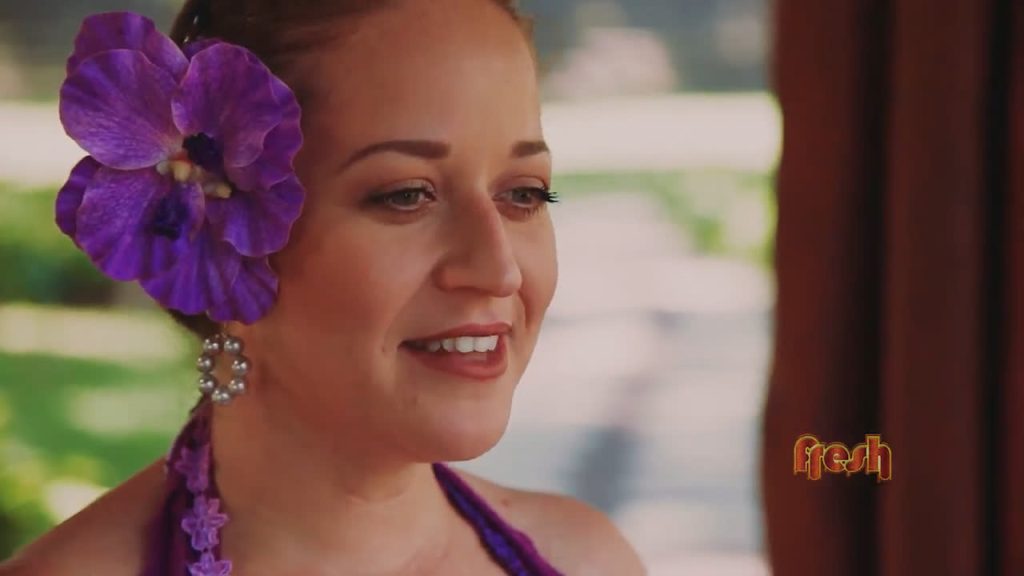
Moena Maiotui
Moena Maiotui is one of the most respected figures in the world of ‘Ori Tahiti, widely recognized for her elegance, [...]
Moena Maiotui is one of the most respected figures in the world of ‘Ori Tahiti, widely recognized for her elegance, expressive style, and deep commitment to preserving Tahitian dance traditions. Originally from Tahiti, she began dancing at a young age and quickly distinguished herself through her strong stage presence and refined interpretation of both ‘ote’a and aparima, the two fundamental styles of Tahitian dance.
Her career gained international attention when she earned the prestigious title of Best Female Dancer at the Heiva i Tahiti, one of the highest honors a dancer can achieve in Polynesian culture. This recognition established Moena Maiotui as one of the leading ambassadors of Tahitian dance on the global stage and highlighted her mastery of rhythm, technique, and storytelling through movement.
Beyond her performances, Moena has played a significant role in teaching and transmitting the art of ‘Ori Tahiti to new generations of dancers. She has led workshops and masterclasses across many countries, helping students from around the world understand not only the technical aspects of the dance but also its cultural meaning and connection to Polynesian heritage.
Known for combining traditional authenticity with a refined artistic sensibility, Moena Maiotui continues to inspire dancers internationally. Through her performances, teaching, and cultural dedication, she represents the enduring spirit of Tahitian dance and its ability to connect people across cultures while remaining rooted in the traditions of French Polynesia.
Flowers and Ornaments in Ori Tahiti
In Ori Tahiti, every dance is a story, and every detail tells a part of it. One of the most [...]
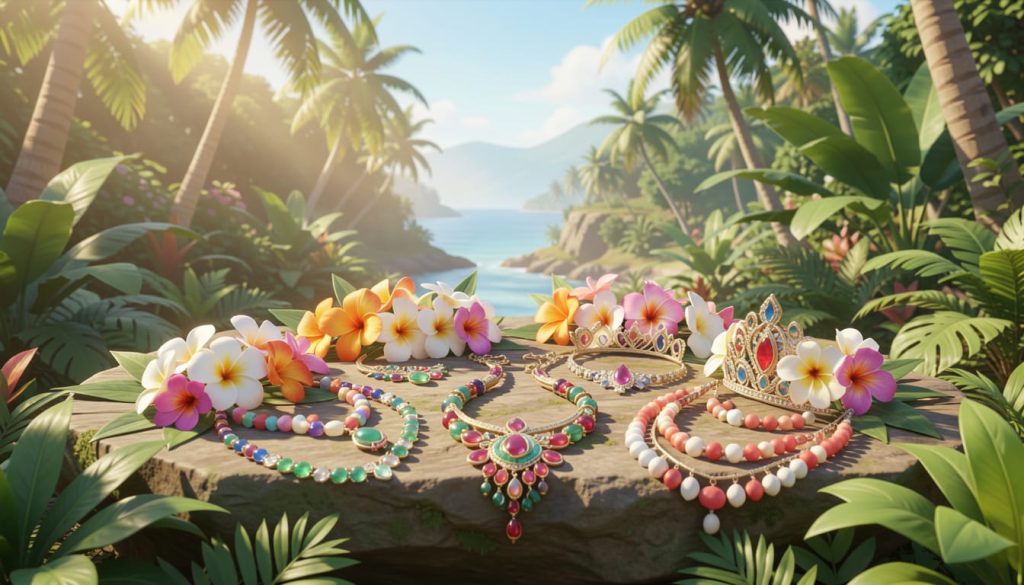
In Ori Tahiti, every dance is a story, and every detail tells a part of it. One of the most enchanting aspects of this art is the use of flowers and traditional ornaments, which bring both beauty and cultural depth to each performance.
The tiare flower, native to Tahiti, is more than just decoration—it symbolizes purity, connection to nature, and the spirit of the islands. Dancers often wear it behind the ear or woven into elaborate headpieces, adding elegance and grace to their movements.
Ornaments, such as shell necklaces, woven belts, and decorative skirts, complete the visual narrative. They reflect traditional craftsmanship and honor the heritage passed down through generations. Each accessory enhances the rhythm and energy of the dance, creating a vibrant harmony between the performer and the culture she represents.
For anyone exploring Ori Tahiti, noticing the flowers and ornaments is key to understanding the subtle expressions and stories that make this dance truly mesmerizing. They are not just adornments—they are symbols of identity, tradition, and the timeless beauty of Tahiti.
The History Of Tahiti
Tahiti, the largest island of French Polynesia, has a rich history shaped by its indigenous culture, European contact, and colonial [...]
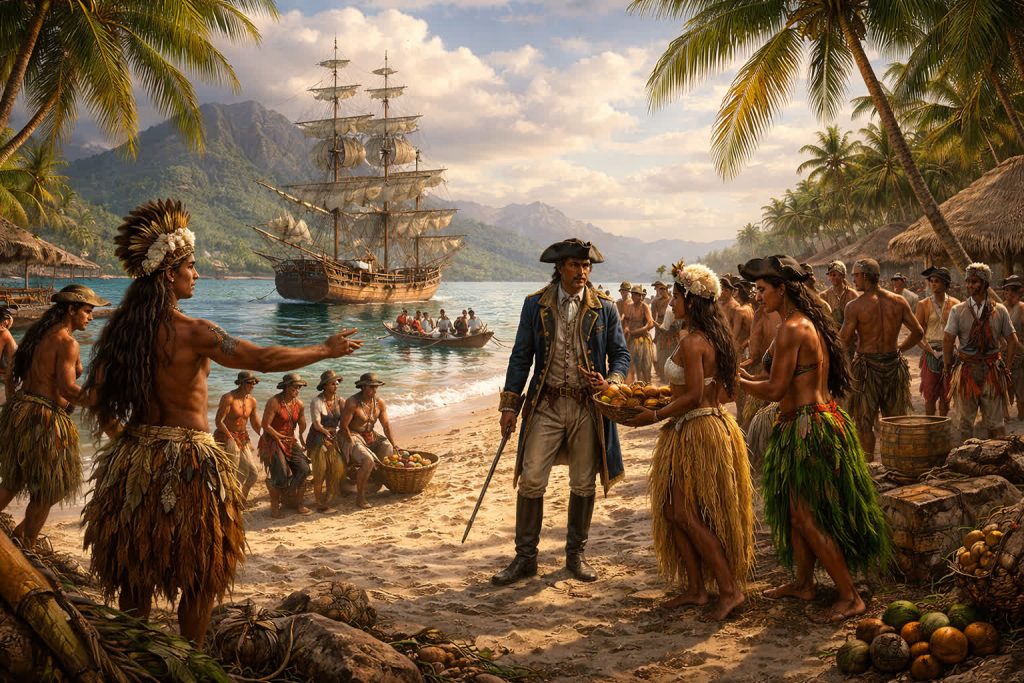
Tahiti, the largest island of French Polynesia, has a rich history shaped by its indigenous culture, European contact, and colonial influences. Before European arrival, Tahiti was inhabited by Polynesians for over a thousand years. They developed a complex society organized into chiefdoms, with distinct social hierarchies, religious practices, and oral traditions that celebrated their connection to the land and sea.
European contact began in 1767 when British explorer Samuel Wallis arrived, followed by French navigator Louis-Antoine de Bougainville in 1768 and British naturalist James Cook shortly thereafter. These encounters introduced Tahiti to European trade, Christianity, and global politics, setting the stage for profound changes in Tahitian society.
The Pomaré dynasty emerged as the ruling family of Tahiti in the late 18th century. Pomaré I united several chiefdoms under his leadership, and his successors, including Pomaré II and Pomaré III, navigated the delicate balance between maintaining traditional authority and adapting to the growing influence of European powers. Pomaré II, in particular, converted to Christianity in 1819, establishing a framework for the spread of the religion across the island.
In 1842, France formally established a protectorate over Tahiti, consolidating its colonial presence in the Pacific. The Pomaré monarchy continued as a symbolic authority until 1880, when Tahiti was fully annexed into the French colonial empire. During this period, Tahitians faced significant social and cultural changes, including the imposition of French law, introduction of European education systems, and shifts in land ownership.
Despite colonization, Tahitian culture endured. Traditional dance, music, tattooing, and storytelling persisted, blending with European influences to create the vibrant cultural tapestry that Tahiti is known for today. The legacy of the Pomaré dynasty remains central to Tahitian identity, symbolizing both the resilience of its people and the complex history of the island’s encounter with the wider world.
Ori Tahiti Dancers Around The World
Ori Tahiti dancers carry the heart and soul of Tahiti wherever they perform. Each dancer embodies the rich heritage of [...]
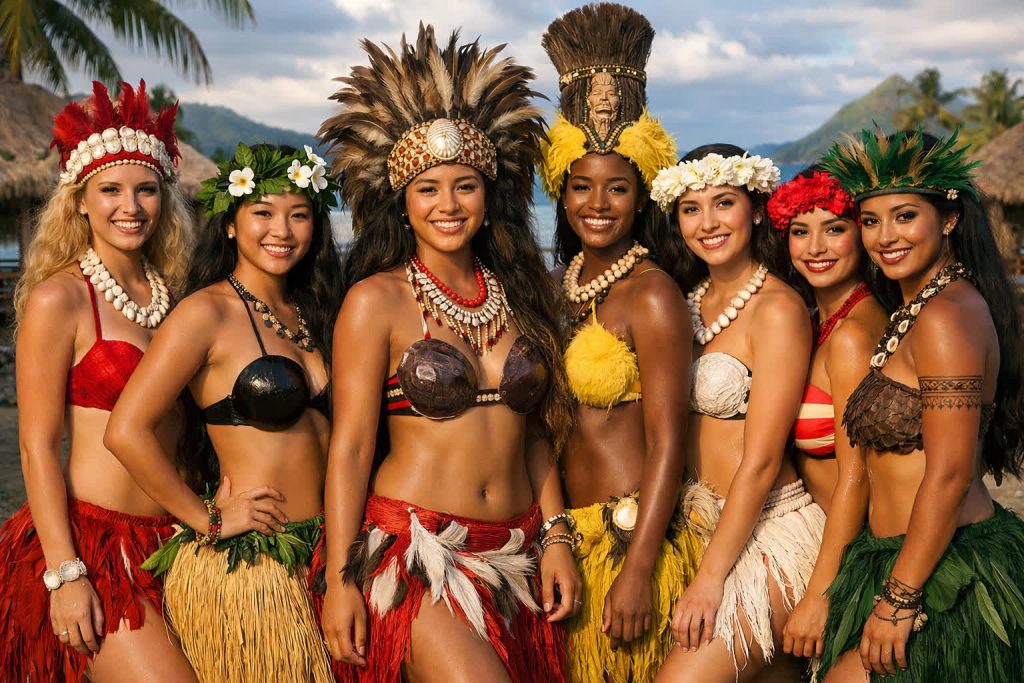
Ori Tahiti dancers carry the heart and soul of Tahiti wherever they perform. Each dancer embodies the rich heritage of the islands, bringing stories to life through intricate movements, precise footwork, and expressive gestures. Their performances are more than just dance—they are a journey through Polynesian culture, where rhythm, music, and costume come together to create a spectacle that captivates audiences of all ages.
Traveling from festivals and cultural events to international stages, these dancers share the vibrant energy and passion of Tahiti. From the flowing movements of the vahine to the powerful steps of the dancers on stage, every performance tells a story of tradition, community, and celebration. Their costumes, adorned with tiare flowers, feathers, and natural materials, reflect the beauty of the islands and the deep connection to nature that is central to Tahitian culture.
Through their art, Ori Tahiti dancers inspire admiration and awe, preserving and promoting a cultural heritage that is both ancient and living. They connect people across continents to the rhythms of the Pacific, showing that dance is a universal language capable of touching hearts, evoking emotions, and building bridges between cultures. Each show is a vivid reminder of the resilience, creativity, and joy of the Tahitian people, leaving audiences not just entertained, but moved and inspired.